RBQ-10
RBQ-10
A quadruped robot platform designed for outdoor walking and sensor expansion
- Research Platform
- Outdoor Walking
- AI Gait
- Maximum Walking Speed
- Walking 6 km/h, running 14 km/h
- Payload
- 15kg
- Operating Terrain
- Slope 45%, step height 20 cm


for mobility and mission execution in outdoor and unstructured environments
RBQ-10
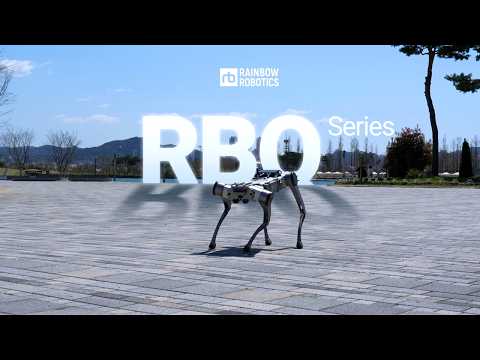
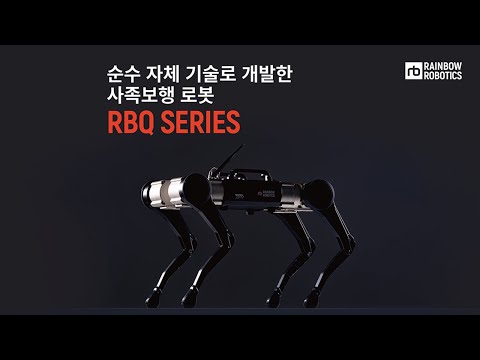
RBQ-10 is a quadruped robot platform designed for stable mobility and mission execution in unstructured outdoor environments such as rough terrain, slopes, and stairs.
Based on dynamics-based gait control and AI gait technology, it provides walking stability and mobility outdoors, while supporting sensor and system expansion for field applications such as patrol, inspection, and observation.
Key Features
Key Features

Parallel operation of dynamics-based and reinforcement-learning gaits
Stable, predictable dynamics-based walking is used as the default, while reinforcement-learning gait patterns can be selected for slippery surfaces or high-speed movement, allowing gait behavior to be adjusted by environment and mission.

Sensor-based environment perception and mobility
3D LiDAR and depth cameras recognize the surrounding environment, generate movement paths, and support obstacle avoidance and autonomous mobility outdoors.

Continuous operation through autonomous patrol and charging
The robot can patrol along predefined routes and dock for charging based on battery status, enabling an automated structure for long-duration operation.

Expandable module combinations by mission purpose
PTZ cameras, thermal imaging, lighting, speakers, and other modules can be combined according to mission purpose and environment, supporting scenarios such as surveillance, inspection, and observation.

System integration for existing operating environments
The robot can connect with existing network and control systems, allowing integration into current operating environments without additional infrastructure.

Dustproof and waterproof design for outdoor operation
IP54 dustproof and waterproof design supports stable walking and sensor use in outdoor environments with rain and dust.

Open control interface for research, expansion, and integration
APIs are provided by control level from LV0 joint-level control to LV1 gait and posture control. ROS 2, DDS integration, and simulation support make upper-system integration and feature expansion easier.

Simulation-based pre-validation environment
Walking, sensors, and control logic can be validated in simulation before physical hardware deployment, reducing risk during field application.
Parallel operation of dynamics-based and reinforcement-learning gaits
Stable, predictable dynamics-based walking is used as the default, while reinforcement-learning gait patterns can be selected for slippery surfaces or high-speed movement, allowing gait behavior to be adjusted by environment and mission.
Sensor-based environment perception and mobility
3D LiDAR and depth cameras recognize the surrounding environment, generate movement paths, and support obstacle avoidance and autonomous mobility outdoors.
Continuous operation through autonomous patrol and charging
The robot can patrol along predefined routes and dock for charging based on battery status, enabling an automated structure for long-duration operation.
Expandable module combinations by mission purpose
PTZ cameras, thermal imaging, lighting, speakers, and other modules can be combined according to mission purpose and environment, supporting scenarios such as surveillance, inspection, and observation.
System integration for existing operating environments
The robot can connect with existing network and control systems, allowing integration into current operating environments without additional infrastructure.
Dustproof and waterproof design for outdoor operation
IP54 dustproof and waterproof design supports stable walking and sensor use in outdoor environments with rain and dust.
Open control interface for research, expansion, and integration
APIs are provided by control level from LV0 joint-level control to LV1 gait and posture control. ROS 2, DDS integration, and simulation support make upper-system integration and feature expansion easier.
Simulation-based pre-validation environment
Walking, sensors, and control logic can be validated in simulation before physical hardware deployment, reducing risk during field application.
Specifications
| Dimensions | 98 × 43 × 62 cm (L × W × H) |
|---|---|
| Weight | 42kg |
| Walking Speed | 9 km/h (up to 14 km/h in running mode) |
| Max Payload | 15 kg |
| Walking Capability | Longitudinal slope: 45%Lateral slope: 20%Stairs and steps: up to 25 cm |
| Operating Time | 2 hours (up to 4 hours) |
| Ingress Protection | IP54 |
| Battery | Swappable / Separate charging / Automatic charging support |
| Built-in Sensors | IMU(RGB + Depth) ×2Depth ×43D LiDAR (optional) |
| Communication | Wi-Fi / LTE (optional) |
| External Interfaces | 54 V, 12 V, CAN (1 ch), Gigabit LAN ×3 |
| Surveillance Sensors (optional) | 4K PTZ camera and thermal camera |

Two Batteries + Wired Charger

Manual Controller

Wireless Charging Station
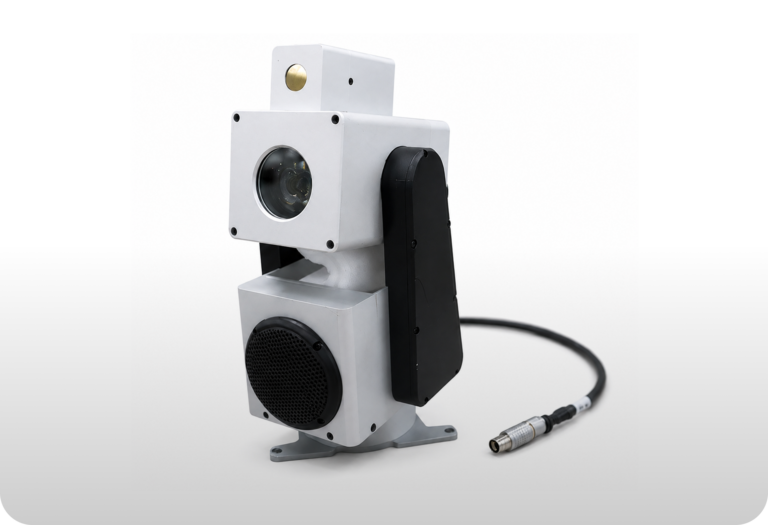
PTZ camera
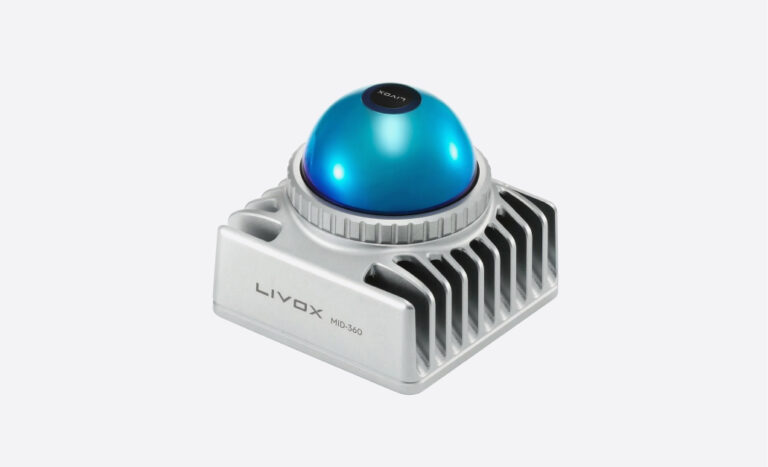
3D LiDAR Sensor
Download
Downloads
| Select | Product | Resource type | Resource details | Download link |
|---|---|---|---|---|
| RBQ Series Quadruped Robots | Catalog | RBQ Series Catalog Catalog |
A proven automation partner across diverse industries
- Defense·Security
- Shipbuilding·heavy industry
- Education
A proven automation partner across diverse industries