01 Higher Work Accuracy and Consistency
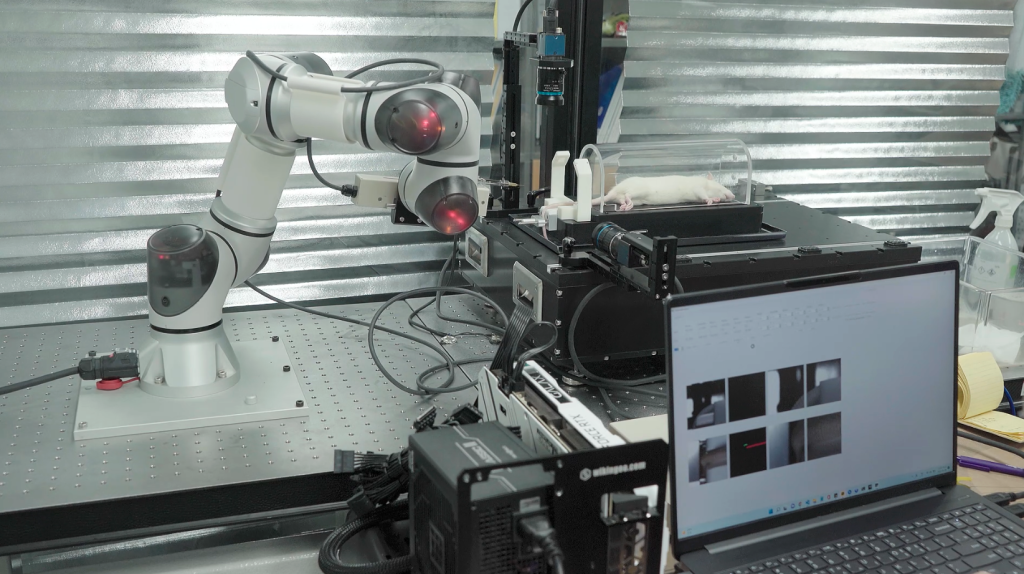
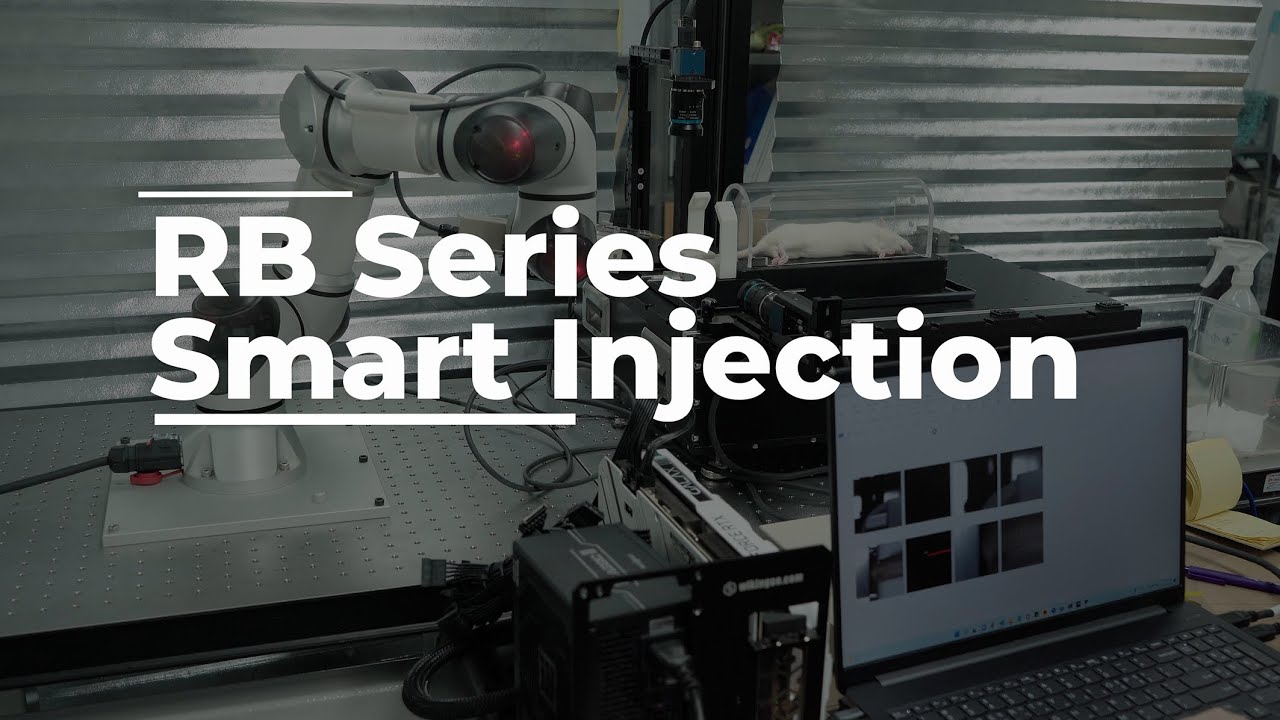
Micropotency reagent dispensing, sample alignment, etc
Ensuring accuracy for tasks with a small margin of error.
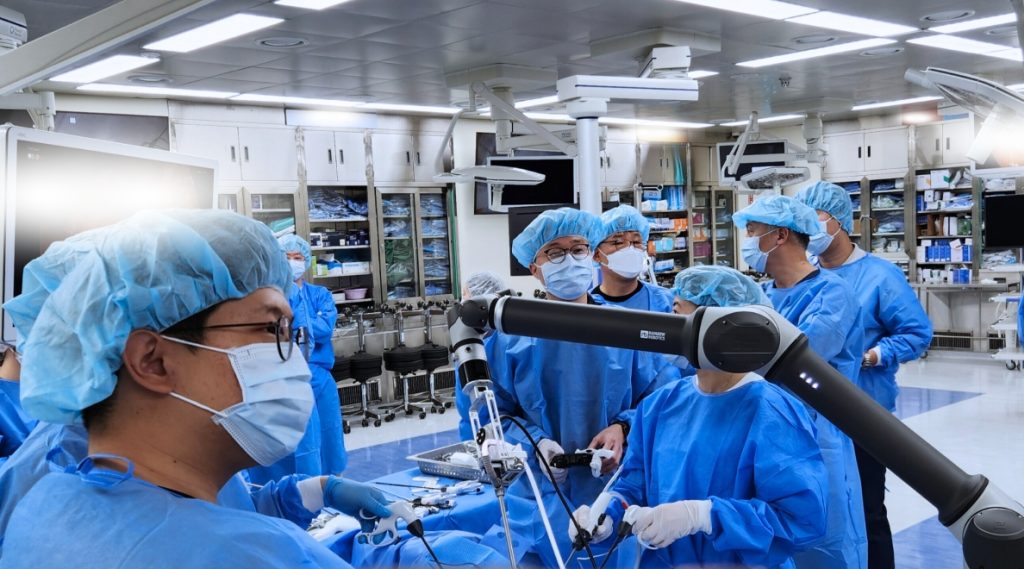
Based on the safety and precision required in medical environments, robots can automate repetitive and error-sensitive clinical support, specimen transfer, drug transfer, and reagent handling.
This improves accuracy, speed, safety, and operational efficiency in hospitals and research laboratories.
Key Benefits
Micropotency reagent dispensing, sample alignment, etc
Ensuring accuracy for tasks with a small margin of error.
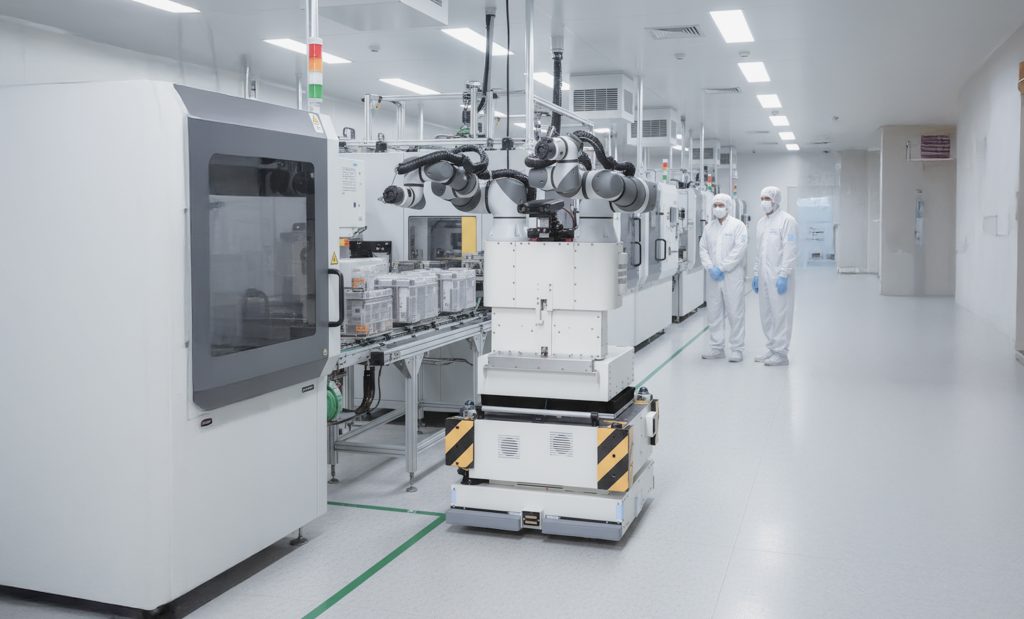
Specimen and reagent handling that must remain untouched by human hands
Processed using a non-contact method to minimize the possibility of cross-contamination.
Automate repetitive and time-consuming preparation and transport tasks to create an environment where medical staff can focus on core clinical and research duties
The transport of specimens, reagents, and chemicals was carried out without delay
Improvement in the speed and stability of subsequent processes such as analysis, diagnosis, and prescription.
Technology Highlights
Rainbow Robotics robot platforms
support precision control, hygiene and safety requirements, automated transfer, and lab-automation configurations.
In fine and precision tasks such as reagent dispensing, sample alignment, and medical device panel operation, it delivers reproducible work quality without issues, based on the unique repeatability precision and force control of collaborative robots.
Combined with AI vision, it can further improve localization correction and classification accuracy.

Its easy-to-clean and disinfect appearance, along with a contamination-resistant design, allows it to meet hygiene standards in medical environments. Suitable for reagent and sample handling where cross-contamination prevention is critical.

Based on collaborative robot safety features such as collision detection, speed limiting, and external force detection
You can collaborate safely even in a space close to medical staff.

Based on collaborative robot safety features such as collision detection, speed limiting, and external force detection
You can collaborate safely even in a space close to medical staff.